Compassionate, evidence-informed assessment and therapeutic support that helps children, young people and the adults around them develop a deeper understanding of their strengths, experiences and needs, creating space for meaningful growth.
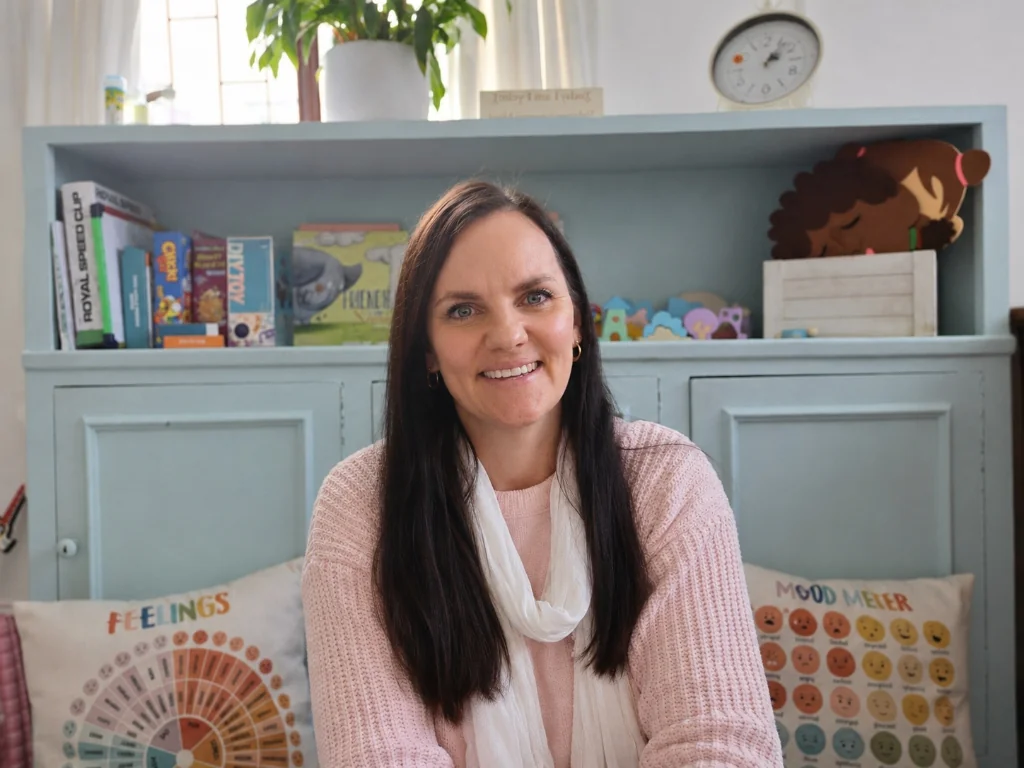
I am Tamryn Saunders, an Educational Psychologist based in Cape Town. I provide psycho-educational assessments, therapeutic support and consultation for children, adolescents, young adults, families and schools.

I grew up in Namibia and later moved to Cape Town, where I studied at the University of Cape Town before completing my Master’s degree in Educational Psychology at Stellenbosch University. Before entering private practice, I spent over ten years working in schools as a teacher, learning support specialist and Head of a Support Department.
My experience within schools continues to shape the way I work. It has taught me to look beyond marks, behaviour or the immediate concern and to remain curious about what may be happening beneath the surface. It also helps me consider not only what assessment findings mean but also how recommendations can realistically be applied at home, in the classroom, and through collaboration with the wider team around a child.
My approach is child-centred, relational and developmentally sensitive. I aim to meet children and young people at a level that feels manageable, adapting the process to their age, communication style, needs and pace. I try to remain curious about what may be sitting beneath learning difficulties, behaviour or emotional responses, rather than viewing these in isolation. I also value the perspectives of parents, teachers and other professionals, as each often holds an important part of the picture. Whether through assessment, therapy or consultation, I aim to build shared understanding and identify practical, realistic ways of supporting the child at home, at school and within their wider environment.
I have a particular interest in neurodiversity and helping children and young people develop a clearer understanding of their strengths and support needs. I value collaboration and the perspectives of the child, family, school and other professionals, and believe that bringing these together can help identify practical ways forward.
Looking beneath the surface. Building understanding. Creating space for growth.
The process may look slightly different depending on whether you are seeking an assessment, therapy or consultation. However, each pathway is person-centred, collaborative and shaped around the individual child or young person.
We begin by exploring your concerns, your child’s strengths and relevant background information. Where appropriate, additional information may also be gathered from the school or other professionals involved. This helps us consider the most suitable way forward and whether my services are the right fit.
The next steps are tailored to the child or young person’s developmental level, communication style and needs. Depending on the service, this may include individual assessment sessions, ongoing therapy or consultation with parents, teachers and other professionals.
Findings, observations and emerging insights are discussed clearly and thoughtfully. Assessments include a parent feedback consultation and written report. Within therapy, parent consultations may be arranged during the process to reflect on progress and support needs, while respecting the child’s therapeutic space.
The aim is to translate understanding into realistic support. Where appropriate, additional follow-up consultations, school feedback or liaison with other professionals can be arranged.
Children, young people and families may seek support for many different reasons. Sometimes there is a clear concern, while at other times something simply does not feel quite right. The process is shaped around the individual, with the aim of building understanding and identifying appropriate ways forward.
A comprehensive assessment that brings together information from the child or young person, family, school and relevant professionals to better understand learning, attention, development, emotional wellbeing and support needs. Findings are explained clearly and translated into practical recommendations for home and school. This may include assessments and recommendations regarding accommodations for WCED, IEB, or tertiary institutions, where appropriate.
Play offers children a natural and developmentally appropriate way to express and explore experiences that may be difficult to put into words. Within a warm, consistent and appropriately boundaried therapeutic relationship, children are supported to work through emotional, relational and behavioural concerns at their own pace.
Practical and supportive work centred on school, tertiary study and learning-related concerns. This may include school avoidance, academic stress or overwhelm, time management, organisation, study skills and helping neurodivergent young people better understand and respond to their individual needs.
Parent consultations provide a space to think together about a child’s behaviour, emotions, development and support needs. The focus is on building understanding and identifying practical, relationship-based ways of responding at home.
Consultation with teachers and school support teams can help translate assessment findings and shared concerns into realistic classroom strategies, accommodations and coordinated support. Collaboration between home, school and other professionals is encouraged where appropriate.
A reflective process that helps adolescents and school leavers explore their interests, strengths, values and possible future pathways. The aim is to support more informed and personally meaningful subject, study and career decisions.
I offer psycho-educational workshops, training and group interventions for children, adolescents, parents, educators and schools. Topics may include digital literacy and device management, emotional and sensory regulation, school discipline and learner support, neurodiversity within the school context and inclusive classroom practice.
If you are unsure which service may be appropriate, you are welcome to get in touch. Please share a brief outline of your concern, and I will advise whether I may be able to assist and what the next step would involve.
Thank you for reaching out. Tamryn will be in touch with you shortly.